Common Mistakes That Ruin a Cozy Cabin Weekend (and How to Fix Them)
A cabin weekend looks simple from a distance: a bag, a fire, a pot of something warm. The trouble usually starts before you leave home, when small assumptions—that the cabin will be warm, that one shop will be open, that you’ll cook elaborate meals—quietly turn into a cold, rushed, overpacked weekend. Most cabin mistakes are easy to fix with a little forethought.
Packing for a fantasy version of the weekend
Overpacking is the classic cabin error. People imagine snowy walks, a dinner out, a lazy morning in pajamas, and a brisk hike, then pack a separate outfit for each scene. The result is a car full of bags, a cramped entryway, and half the contents never leaving the duffel.
Pack for the cabin you’re actually visiting, not the one in the brochure. In winter, layering matters more than variety. Bring one warm mid-layer you can wear again, comfortable trousers that dry quickly, and socks you can double up if the floor is cold. Waterproof boots are worth the space; a second pair of fashionable shoes usually is not.
- Base layers and one warm mid-layer, rather than several bulky sweaters
- Waterproof boots, plus slippers or thick socks for indoors
- A headlamp or small torch for dark entries and power cuts
- One small bag for toiletries, medications, and chargers
- A book, cards, or a downloaded playlist for low-signal evenings
Before you zip the bag, check what the cabin already provides. Many places supply bedding, towels, firewood, and basic kitchen equipment; some supply almost nothing. A quick message to the host is better than hauling a spare duvet up a snowy track.
Assuming the cabin will be warm when you arrive
A cold cabin is not a cozy cabin. If the heating has been off, the walls, beds, and floors can hold the chill long after the fire is lit. Arriving after dark to a cold building is one of the quickest ways to ruin the first evening.
Ask specific questions before you go: what kind of heating does the cabin have, is fuel provided, and is there a pilot light or boiler setting you need to know about? If it is wood-heated, ask whether dry firewood and kindling are included and where they are stored. “There is a fireplace” is not the same as “there is usable wood and a working flue.”
Bring a small backup plan
Pack matches or a lighter, a couple of fire starters, and an extra warm layer. A headlamp helps if you arrive in the dark and need to find the fuse box or firewood store. If you are unsure how the stove or boiler works, ask the host for written instructions rather than guessing. Never experiment with a heating system you do not understand, and keep anything flammable well clear of stoves and open fires.
Planning meals like a restaurant, not a cabin
Cabin cooking often goes wrong in one of two ways: no plan at all, or a plan that requires three pans, fresh herbs, and a shopping trip on Saturday afternoon. Remote cabins have limited fridge space, unpredictable opening hours nearby, and kitchens that may lack the one utensil your recipe depends on.
Build the menu around one-pot meals, simple breakfasts, and food that survives a cold journey. Chilli, soup, baked pasta, or a tray of roasted vegetables all work well. Pre-chop what you can at home, label it, and pack it in containers that stack. Bring more snacks and coffee than you think you need; bad weather has a way of making people hungry earlier.
Check the kitchen before you shop
Ask the host what is provided: cooking oil, salt, coffee filters, a corkscrew, a decent knife, foil, and washing-up liquid. These small items are easy to forget and annoying to improvise. If the cabin has a cooler rather than a full fridge, plan for food that keeps safely and keep raw meat separate from ready-to-eat items.
Leaving the journey to luck
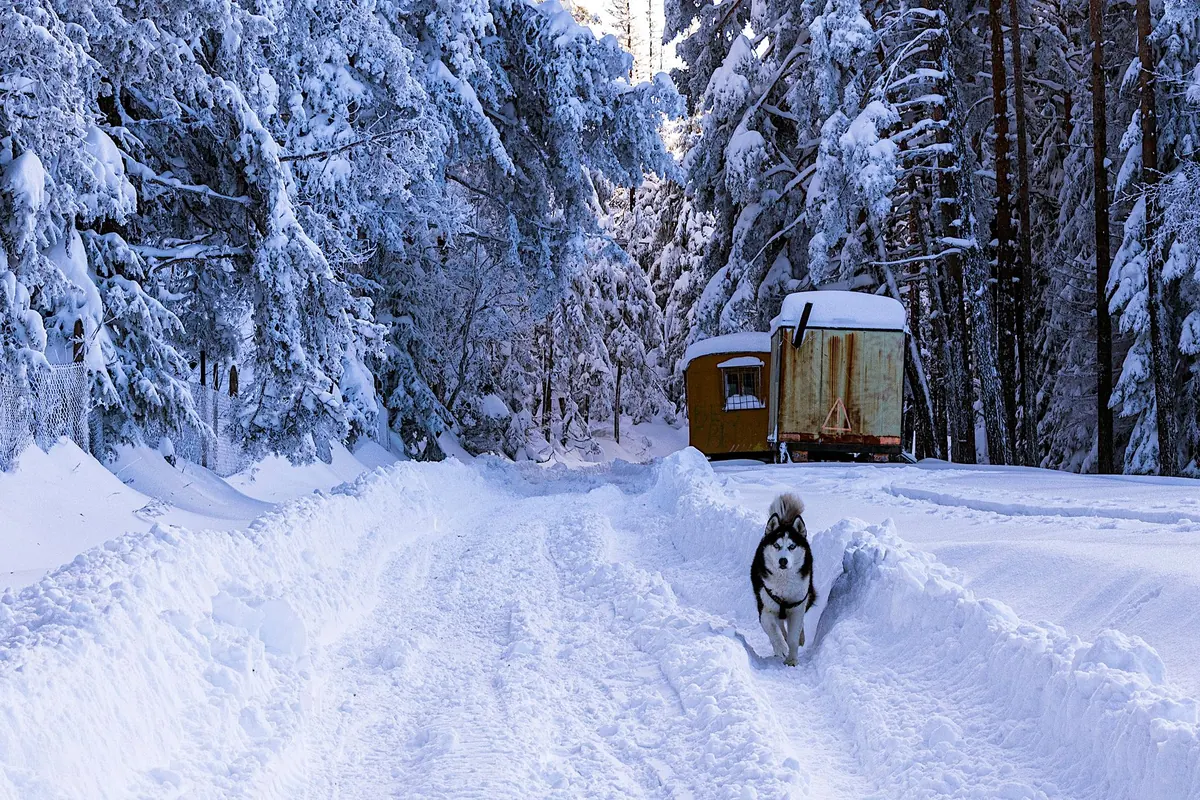
Snow travel rewards boring preparation. Check the forecast and local road conditions before you set off, and look at the route in daylight if possible. A mountain road that is fine at noon can be slick by late afternoon. If the cabin is remote, ask the host about the final approach: is the track ploughed, is parking cleared, and are there steep sections that need care?
Carry a shovel, a blanket, a torch, and warm gloves in the car. Keep your phone charged and tell someone your route and expected arrival time. Arrive with enough daylight to find the key safe, carry bags, and work out the heating. If you are delayed, send a quick message rather than letting darkness turn a minor delay into a stressful arrival.
Ignoring wet gear—and where it goes
Winter clothes get wet. Boots come back with snow, jackets drip, and gloves end up in a sad pile by the door. In a small cabin, that moisture has nowhere to hide. Damp gear left in a bedroom makes the whole space feel clammy, and wet floors are an easy way to slip.
Set up an entry routine as soon as you arrive. Boots go on a tray or mat, wet jackets hang where air can move around them, and gloves and hats go somewhere they can dry. If the cabin has a porch or covered area, use it. Bring a couple of extra hooks or a folding drying rack if space is tight. Keep wet gear out of sleeping areas whenever you can.
Treating downtime like a problem to solve
Cabin weekends are often planned as if every hour needs an activity. That can leave you driving between trailheads, rushing a lunch, and returning tired rather than rested. The opposite mistake is assuming there will be plenty to do and discovering that the Wi-Fi is weak, the TV has one channel, and the board games are missing pieces.
Bring a small analog kit: books, cards, a notebook, a downloaded film or podcast, and a simple puzzle. Check the cabin’s entertainment options in advance if screen time matters to your group. Also think about sleep. Cabin beds can be cold at first, so bring warm sleepwear and ask whether extra blankets are available. A hot water bottle or a pair of thick socks can make a simple room feel much more comfortable.
A quieter, cozier reset
The best cabin weekends are not the most ambitious ones. They are the ones where you arrive before dark, have something easy for dinner, and know where the matches are. Pack less, ask more questions before you go, and plan meals that leave room for an afternoon by the fire.
Before you leave, deal with the small departure jobs: wash and put away dishes, take rubbish to the correct spot, check that the fire is safely out, and return the key as instructed. A calm exit is part of the cozy weekend too—it means the last memory is not a frantic search for the key safe in the snow.
Photo: Taryn Elliott / Pexels