How to Build a Cozy Cabin Evening Kit: Candles, Blankets, and Hot Drinks
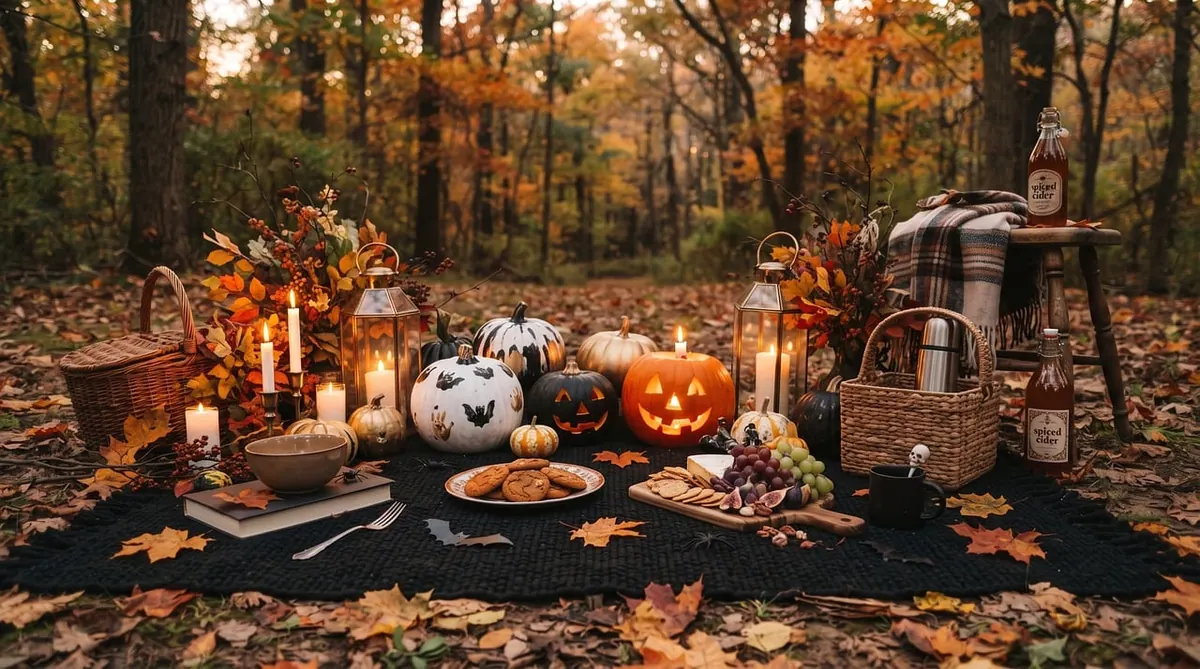
You arrive at half past four and it is already dark. Boots off at the door, wet gloves draped over a chair, and someone is hunting for a light switch that turns on one hard bulb above the sink. That half hour between getting in and actually settling is where a small, well-chosen kit earns its keep: a few candles, two or three decent blankets, the makings of something hot. Put it together once, keep it packed, and every winter evening after that starts on the right foot.
The aim is not to recreate a hotel suite inside a hut with single glazing. It is to solve the three things that make a cabin feel bleak at six in the evening in January: bad light, cold knees, and nothing warm to hold. Most of what you need you probably already own. The rest costs very little and lasts for years.
Sort the light before anything else
Overhead light is the enemy of cosy. One bulb turns a good room into a waiting area. Two or three candles grouped at one end of the table do more for the atmosphere than a lamp in every corner, and they draw nothing from a cabin's limited power. A metal tray or a wide saucer keeps wax off the wood and lets you carry the whole group from table to windowsill in one move.
What goes in the light bag
- Two or three pillar candles in slightly different heights. Beeswax and stearin blends generally burn longer and drip less than soft paraffin pillars, which slump into a puddle within an hour.
- A jar of tea lights for the bathroom shelf or the window ledge.
- Long matches in a tin with a striker. Short matches become useless the moment a candle has burned down inside a jar.
- One battery lantern. Not romantic, but you will be glad of it on the walk to an outside loo, or if someone in the party is uneasy about open flames.
Keep flames away from curtains, drying gloves and anything that gets knocked about after dark, and blow them out before bed rather than trusting yourself to remember at midnight. If you are renting, check the cabin's own rules on candles first; some places ask for battery lights only, and it is easier to know that before you unpack.
Blankets are a system, not a pile
The usual mistake is bringing one enormous blanket for everyone to fight over. Better: a light layer per person, plus one larger shared one for the sofa. Wool or a wool-rich blend is the warmest for its weight and keeps working if it gets slightly damp, though it can itch, so a thin fleece underneath solves that. Cotton throws look lovely in photographs and do almost nothing for a cold pair of legs.
Small additions that make a real difference
A hot water bottle at the foot of the bed, or on a lap under a thin blanket, often beats a heavy duvet for comfort and costs almost nothing. So do one spare pair of dry socks per person and a small mat beside the bed so bare feet do not land on cold boards. Fold the blankets over the backs of the chairs before people sit down; a blanket in a bag is not warming anybody.
Store the blankets in a cotton bag with a cedar block or a lavender sachet through the summer, and give them a shake and a sniff before the season starts. Anything that has sat in a damp cupboard for eight months should be aired or washed before it goes back in the kit.
Build the drinks shelf
A cabin evening lives or dies on whether the kettle is easy to reach and the mugs are already out. Keep the drink kit in one small box so it comes out in a single movement.
- A thermos, preheated with hot water for a minute before filling. In a cabin with no power, or a stove that takes an age to heat, this is the whole game.
- Two to four stackable mugs. Enamel looks right but burns lips; thick stoneware holds heat far longer.
- Tea bags or a small tin of loose tea, ground coffee, and cocoa powder.
- Honey in a squeeze bottle, sugar cubes, and a lemon wrapped in a cloth.
- One small tin of cinnamon sticks, star anise and whole cloves. It covers an entire winter and makes the cabin smell like somewhere you want to stay.
- A long spoon and a small whisk, for cocoa that has not turned into lumps.
Two drinks worth learning by heart
Mulled apple juice: a litre of apple juice, a cinnamon stick, three cloves, a strip of orange peel. Warm it gently for fifteen minutes without letting it boil, and ladle it out. It suits everyone, including anyone who is not drinking alcohol, and it makes the cabin smell extraordinary for the price of a carton of juice.
Ginger, honey and lemon: grate a thumb of ginger into a jug, pour over just-boiled water and leave it ten minutes. Stir the honey in once it has cooled a little, since honey keeps more of its aroma that way, then add lemon. Strong, warming, and the sort of thing people ask for again the next night. A basic cocoa made with cocoa powder, sugar and a pinch of salt, whisked into hot milk, rounds out the shelf nicely.
The unglamorous extras
Every kit has a shadow kit of things nobody remembers until they are needed. A tea towel for spills and drying mugs. A small tray, so you can carry three drinks up a ladder to a sleeping loft without a second trip. A lighter as a backup to the matches. A bottle opener, a cloth bag for rubbish, and a torch that lives in the kit rather than on a phone, so you are not draining the battery while hunting for the fuse box. None of it is exciting. All of it prevents the small frustrations that turn a lovely evening sour.
Pack it once and leave it packed
Use one canvas tote or a small duffel that lives beside your winter boots. Wrap the mugs in the tea towel, stand the candles upright in a tin, and keep the whole thing light enough to carry in one hand alongside a suitcase. The kit should never become a second packing job.
Restock it within a day of getting home, while you still remember what ran out: matches, tea, honey, cocoa. Once a season, take out anything you have not touched in two trips. Cabinets in rentals are small and a kit that has grown to three bags will get left behind. Store the candles somewhere cool rather than in a car boot through July, or you will open the tin in December to a set of bent pillars.
Match the kit to the cabin you have
With a wood stove, the kettle lives on top and the candles matter less; bring a trivet, learn how the flue draws before you go to bed, and check that the cabin's carbon monoxide alarm is present and working. In an all-electric cabin, the kit is mostly about light and blankets, plus a thermos for the walk back from a late ski. In a cabin with no power at all, fill the thermos just before you leave home, pack two battery lanterns, and fill a hot water bottle at the last stop; wrapped in a towel it will still be warm when you are ready to sit down.
The five-minute arrival routine
The kit only works if it gets used before everyone is too tired to bother. This is the order that makes the biggest difference fastest.
- Boots off, wet gloves and jackets to one spot, well away from any flame or stove.
- Kettle on, before any bag is unpacked.
- Candles lit in one place, out of draughts, on their tray.
- Blankets out of the bag and over the backs of the chairs.
- Mugs, honey and lemon on the table, ready for the first round.
Then stop. The rest of the unpacking can wait until morning, or until the second drink. A good cabin evening does not need much: something warm in your hands, a little soft light, and a blanket within reach. Build the kit once, and that is what you get, every time you walk in out of the cold.
Photo: sakibmia2 / Pixabay