What to Do in a Mountain Village When It Snows All Day
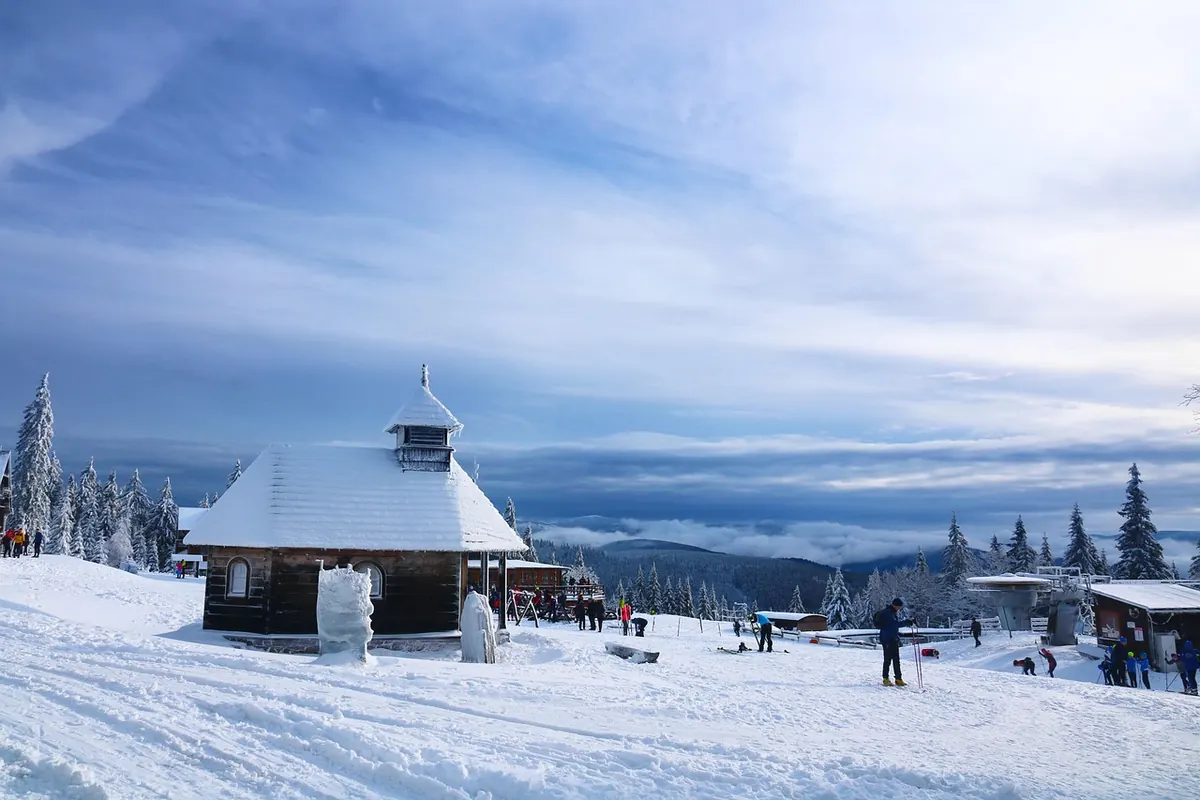
The forecast said snow, and by nine in the morning the village has gone quiet in that particular way. Sound is flattened. The church bell arrives from somewhere further off than it should. Cars stay put under a growing white layer, and the only movement is a neighbour working a shovel with slow, practised strokes. A day like this can feel like a cancellation. It isn't. It's a different kind of day, and the people who live here have had a long time to work out how to spend it well.
What follows is a plan for the kind of snowfall that keeps you close to the village: no summit, no long traverse, no driving over a pass that may or may not be cleared. It's built around short walks, warm rooms and a bit of weather-aware thinking.
Read the mountain before you plan the day
Before breakfast, before the group chat, check three things. The avalanche bulletin for your region, the road report for the valley road and any pass above you, and the lift company's status page if you were thinking of going up. In many alpine areas these are updated early and are the difference between a good decision and a slow one.
Then look out of the window and judge honestly. Heavy snow and wind mean a village day, full stop. Trees and buildings give you reference points; open slopes do not. If the snow is wet and heavy, keep away from loaded roofs, and don't linger under the eaves of old barns. If the flakes are small and dry and the wind is moving them sideways, that's a day for indoor hours and short errands, not a walk along an exposed ridge.
Ask your host or the person at the tourist office one useful question: is anything happening in the village today? A guided snowshoe walk, a market, a concert in the hall. Small places often run things on short notice, and a snowed-in day is exactly when they do.
The slow morning is not wasted time
The mistake visitors make is treating the morning as a delay. Locals treat it as the best part. Open the shutters, let the reflected light in from the snow, and make coffee properly. If there's a bakery in the village, walk down early. Not because it will sell out by eleven, but because the baker usually knows the forecast better than any app, and the ten minutes of conversation at the counter will tell you whether the road is being cleared and whether anyone has seen the snowplough.
Get your gear sorted while you're still inside. Boots upside down on a radiator grate or near the stove, gloves on a chair back, gaiters shaken out and hung. One dry set of base layers, one wet set, and a rule that wet things do not go into the bedroom. It sounds fussy. It means tomorrow's morning is pleasant instead of a search for something wearable.
Short walks that don't need a summit
You can still be outside. You just need to pick routes where a change in weather is an inconvenience rather than a problem.
The village loop
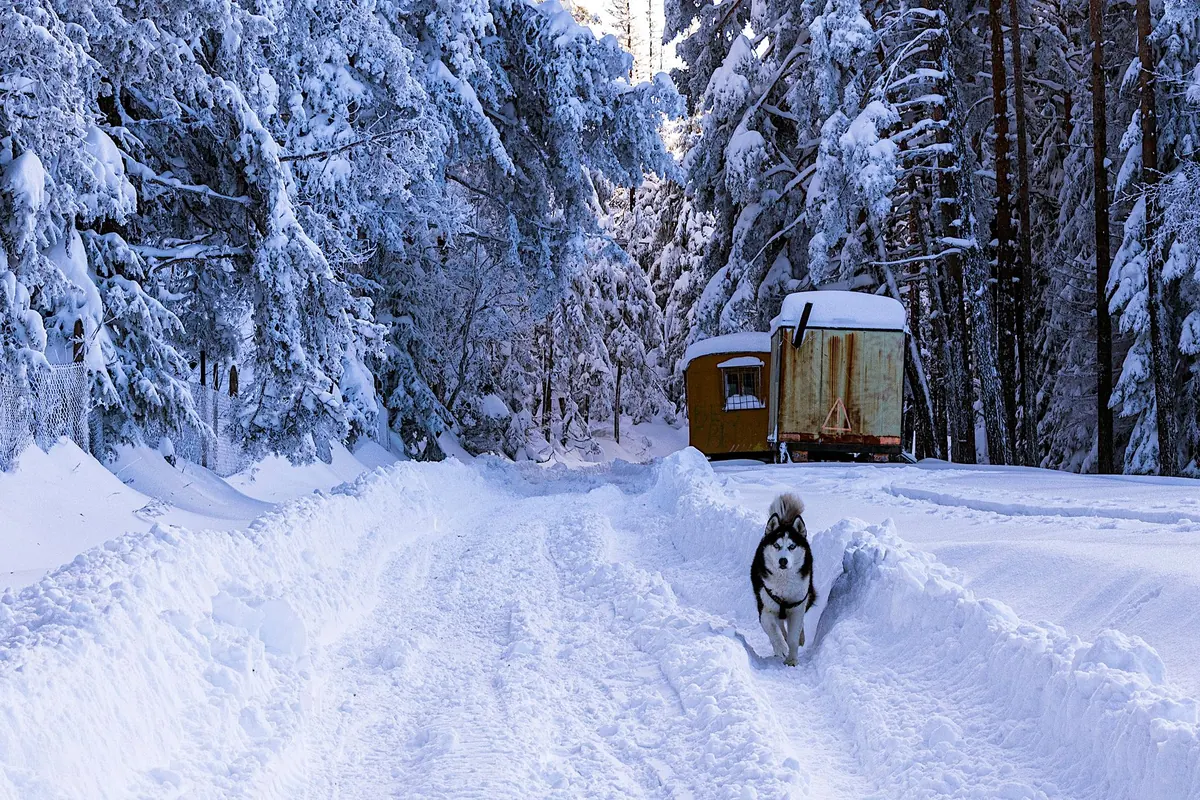
Almost every alpine village has a circuit: the church, the graveyard wall, three or four farm buildings, the bridge, home. It takes thirty to forty minutes at a stroll and passes houses with carved doors and old sleds leaning against walls. Go while the tracks are fresh. Snow fills footprints quickly, and half the pleasure is seeing who else has been out and where they went.
The valley floor path
Follow the river or the edge of the cross-country track. Stay off the groomed lanes themselves — those are prepared for skiers who have paid for the privilege, and walking in them damages the surface. Walk beside them instead, and you get the same view with fewer apologies. On flat valley paths, deep snow is the only real hazard: poles help, and so does stepping where others have stepped.
For a short winter walk, take these:
- One more layer than you think you need, plus a shell you can open
- A headlamp, even at midday, because a slow walk in falling snow can run longer than planned
- A charged phone kept inside your jacket, not in a cold outer pocket where the battery drains
- A flask and something to eat that doesn't freeze solid
- Poles if the path is uneven or the snow is deep
- Someone who knows your route and your rough return time
Indoor hours worth having
This is where a snowed-in day earns its reputation. The village museum, often a single room of woodcarving, old skis, lace and photographs of the same houses you walked past an hour ago, is usually open for a few hours and almost never crowded. The church is worth a proper look: cool, dim, and full of details you'd miss in summer with the door wide open. The library, if there is one, has a corner with newspapers and a radiator.
Then find the warm water. Many alpine villages have a small public pool, a thermal bath or a sauna, and a snowy afternoon is the ideal time for all three. Check opening hours before you set off; they change with the season. If you're using a sauna, follow the house rules and take the cooling-off seriously — sudden shifts between very hot and very cold aren't right for everyone, and if you have a heart condition or any doubt about it, ask a doctor before you make it part of the day.
For something more absorbing than a screen, look for a half-day workshop: wool, wood, felt, bread. They exist in surprising numbers and cost less than a lift ticket. Failing that, a deck of cards and someone who knows the local rules will fill an afternoon agreeably.
Eating as the main event
When you can't go far, lunch becomes the point of the day rather than a stop. Buy cheese from the dairy, bread from the bakery, a jar of something preserved from last autumn. Make soup and let it sit on the stove. If you're eating out, choose the place with fogged windows and a handwritten menu, and take the table by the stove rather than the one near the door.
The afternoon meal stretches. Someone brings out a bottle from the village, someone else remembers a story about the winter the road was closed for four days. This is not wasted time either. It's the part of a snow day people talk about afterwards.
A short checklist before you turn in
End the day by making tomorrow easier. Clear what you can of the steps and the path to the door while the snow is still soft, but stay well away from roof edges and from anything that looks like it's holding weight above you. Check the bulletin and the road report again for the morning. Set boots and gloves to dry somewhere warm but not directly against a heat source, which can crack leather. Put a headlamp by the door, and keep a small shovel in the car if you're parked outside.
And allow the possibility that it snows all day again tomorrow. That isn't bad news. A village under a full day of snow gives you something a bluebird summit day never does: time. Use a little of it outside, a little of it in a warm room, and the rest of it at a table with people.
Photo: katerinavulcova / Pixabay