How to Pack for a Week in a Mountain Cabin in Winter: A 7-Day Capsule Checklist
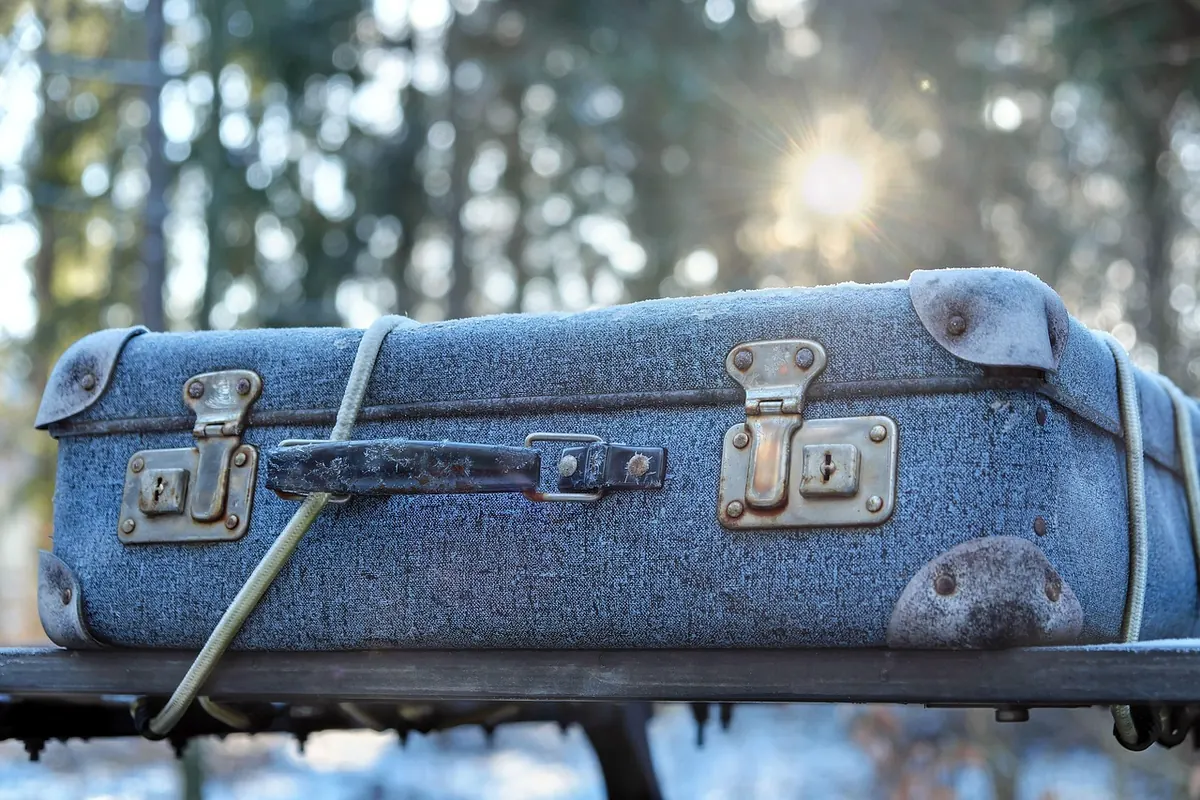
Packing for a winter week in a mountain cabin is less about stuffing a duffel than about predicting what the cabin will and won't give you. Most of them run on a wood stove, a drying rack, and a water heater with firm opinions about how much hot water a group deserves. That shapes everything: how many base layers you bring, where your boots sleep, and whether you can arrive with one bag.
A week is easier than a weekend in one respect. You stop pretending you'll change outfits, and you settle into a rotation that keeps you warm and dry. What follows is a capsule built around layering, drying time, and the handful of items that are genuinely miserable to forget.
Start With the Cabin, Not the Closet
Before you build a pile on the bed, get four answers from whoever booked the place:
- How is it heated, and how cold is the bedroom when the stove has burned down?
- Is there a dryer, or only a line, a rack, and a stove to dry things on?
- How many people share the sleeping area and the bathroom?
- How far is the nearest shop, and does the access road get plowed?
Those answers set your limits. A cabin with a dryer and a proper mudroom can absorb a careless packer. A one-room hut with a wood stove and a rope for hanging wet gloves cannot. Assume you won't do laundry midweek unless someone confirms a machine on site. Assume, too, that wet gear needs somewhere to go that isn't your sleeping bag.
One more useful habit: ask what previous guests wished they'd brought. Cabin owners usually know, and the answer tends to be dull and specific — a dish towel, a lighter for the stove, a longer extension cord.
The Seven-Day Capsule, by Layer
The logic is simple. Layers let one set of clothing work across temperatures from a cold bedroom to a steep climb, and a fixed number of pieces keeps the bag small. The counts below assume you can dry damp items overnight and that you won't do laundry. Confirm a washer and dryer, and you can cut one base layer set and two pairs of socks.
Base layers
Three sets, merino or synthetic, top and bottom. Merino resists odor across several wears, which matters when everyone is sharing a small space. Rotate deliberately: one on your body, one drying near the stove, one clean and folded. Cotton next to the skin is a poor choice in the cold — once it's damp it stays damp and pulls heat out of you.
Mid layers
Two. A lighter fleece or wool sweater for indoor evenings and chopping wood, plus a heavier insulating piece for sitting still outside or the coldest mornings. This is the layer you'll live in most of the week, so choose one you won't mind wearing in every photo.
Outerwear
One insulated jacket and one waterproof shell. The shell handles wet snow, wind, and the walk to the outhouse; the insulated jacket handles everything else. If you own only one, bring the insulated one and accept that a heavy snowfall will send you indoors earlier.
Legs, feet, hands
Two pairs of winter trousers, softshell or lightly insulated, and one pair of soft pants for evenings indoors. Long underwear doubles as sleepwear in cold bedrooms. One pair of insulated winter boots, one pair of cabin slippers or thick socks kept for indoors only, and four to five pairs of wool socks. Two pairs of gloves: thin liners for fiddling with buckles, and insulated mittens for the cold. Add a beanie, a neck gaiter, and sunglasses for bright snow.
The count, all in one place
- Torso: 3 base layer sets, 2 mid layers, 1 insulated jacket, 1 shell
- Legs: 2 pairs of winter trousers, 1 pair of indoor soft pants
- Feet: 1 pair of insulated boots, 1 pair of cabin slippers, 4–5 pairs of wool socks
- Hands and head: 2 pairs of gloves (liners plus insulated), 1 beanie, 1 neck gaiter, sunglasses
- Extras: a warm hat for sleeping if the bedroom is cold, a swimsuit if there's a sauna or hot tub
Gear That Earns Its Space
Cabin gear splits into two kinds: what keeps you moving outdoors, and what keeps the cabin habitable. Both deserve room in the bag.
A headlamp is the most useful item after your boots. Winter daylight is short, and cabin wiring is often one bulb over the table. Bring spare batteries. A wide-mouth bottle and a thermos pay for themselves on the first long walk; hot water in a thermos is also the fastest way to thaw frozen fingers. Slip-on traction devices turn an icy driveway from a hazard into a five-second inconvenience.
Then the small, boring things: a lighter and matches in a sealed bag, a power bank, a short extension cord, a compact first aid kit, and a repair kit that's really just duct tape wrapped around a bottle and a length of cord. Add a cloth or two for drying dishes and gear — cabins rarely have enough.
The Shared Cabin List
The quickest way to sour a group trip is for six people to arrive with six bottles of cooking oil and no dish soap. Put one shared list in a group chat before you leave and let people claim items. Split it into three groups.
Consumables
- Paper towels, toilet paper, and trash bags (check what the cabin stocks)
- Dish soap, sponges, and a spare dish towel
- Coffee, filters, tea, sugar, and long-life milk
- Cooking oil, salt, pepper, and two or three spices you'll actually use
- Aluminum foil and a few zip bags
Fire and light
- Fire starters or dry kindling, plus matches in a waterproof bag
- A spare lantern or two, with batteries
- Candles, if the cabin allows them
Comfort and entertainment
- A deck of cards, a board game, or a puzzle for long evenings
- A sled or snowshoes, if the terrain suits them
- An extra
Photo: Couleur / Pixabay